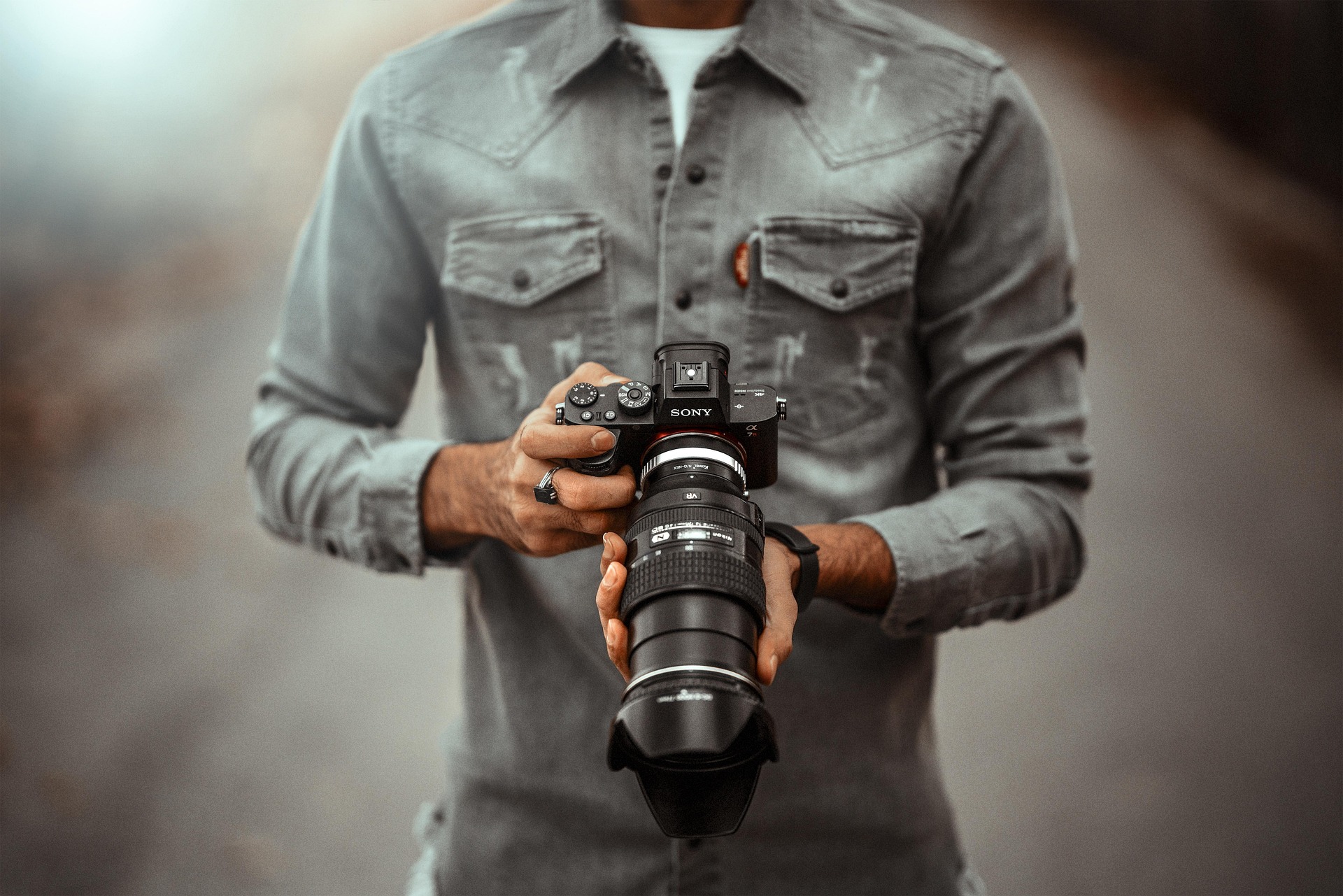
As photography technology continues to evolve dslr cameras remain an important option for many enthusiasts, students and working photographers. While mirrorless systems have gained strong attention in recent years, DSLRs are still valued for their optical viewfinders, durable bodies, long battery life and access to a wide range of lenses.
The continued interest in DSLR technology reflects a broader shift in the photography market. Rather than moving in one direction, many photographers are now choosing equipment based on purpose, budget and creative preference. For some, a DSLR offers a reliable way to learn manual controls, experiment with lenses and build technical confidence without needing the newest camera body.
Used and refurbished DSLR models are also playing a role in the current market. As more photographers upgrade to mirrorless systems, older DSLR bodies and lenses are becoming more accessible. This gives beginners a lower-cost entry point into interchangeable lens photography, while experienced users can still find dependable backup gear for travel, events or studio work.
At the same time, interest in camera film shows that older formats still have a place in modern photography. Film has returned as a creative choice for people who enjoy slower, more deliberate image-making. The process of loading film, choosing each frame carefully and waiting for development offers a different experience from instant digital previews.
This revival does not mean photographers are turning away from technology. Instead, many are combining digital and analogue tools. A photographer might use a DSLR for client work, sports, wildlife or fast-moving scenes, then use film for personal projects, portraits or travel photography. This blended approach allows people to enjoy both precision and unpredictability.
Storage and protection have also become more important as photographers carry mixed equipment. Quality camera bags are no longer seen as simple accessories. They help protect camera bodies, lenses, film rolls, memory cards, batteries and laptops while keeping equipment organised. For photographers working across locations, a well-designed bag can improve both safety and efficiency.
Technology has also changed what photographers expect from accessories. Modern camera bags often include padded compartments, weather-resistant materials, quick-access pockets and space for digital devices. This reflects how photography now involves more than taking photos. Many creators also edit, upload and share their work while travelling or moving between shoots.
The education side of photography is another reason DSLR cameras remain relevant. Many photography courses still use DSLR systems because they clearly demonstrate core principles such as aperture, shutter speed, ISO, focal length and depth of field. Learning these foundations can help photographers move confidently between different camera types later.
For content creators, DSLRs can still provide strong image quality and dependable performance. Although newer systems may offer advanced autofocus or compact body designs, many DSLR models continue to produce professional-looking results when paired with good lenses and lighting.
As the camera market continues to change, the future is unlikely to be defined by one format alone. Digital systems, film photography and practical accessories are all shaping how people create images. For many photographers, the best setup is not necessarily the newest one, but the one that supports their style, workflow and creative goals.